Category: AI Policy
-

As AI systems become more autonomous, the debate over legal liability and responsibility for AI failures or unexpected behavior is intensifying among policymakers and legal experts.
-

A new ranking identifies the U.S. metropolitan areas where artificial intelligence is poised to have the greatest impact on the workforce and local economies.
-

As AI systems become more autonomous, legal experts and policymakers are debating who should be held liable for damages caused by AI failures, ranging from developers to users.
-

The US General Services Administration issued a new acquisition policy for AI technologies across federal contracts, establishing guidelines for procurement, risk management, and vendor accountability.
-

Dartmouth College has launched an internal review and faces student backlash after its provost admitted to using generative AI to draft an official campus communication.
-

An essay from Goshen College examines whether academia can simply ignore the rise of generative AI, highlighting the practical challenges of resistance versus institutional adaptation.
-

A new lawsuit alleges that sports betting company DraftKings used artificial intelligence algorithms to identify, target, and exploit problem gamblers to maximize platform revenue.
-

Lawmakers are pushing to hold artificial intelligence developers legally liable for the outputs and actions of their models, aiming to increase corporate accountability as automated systems proliferate.
-
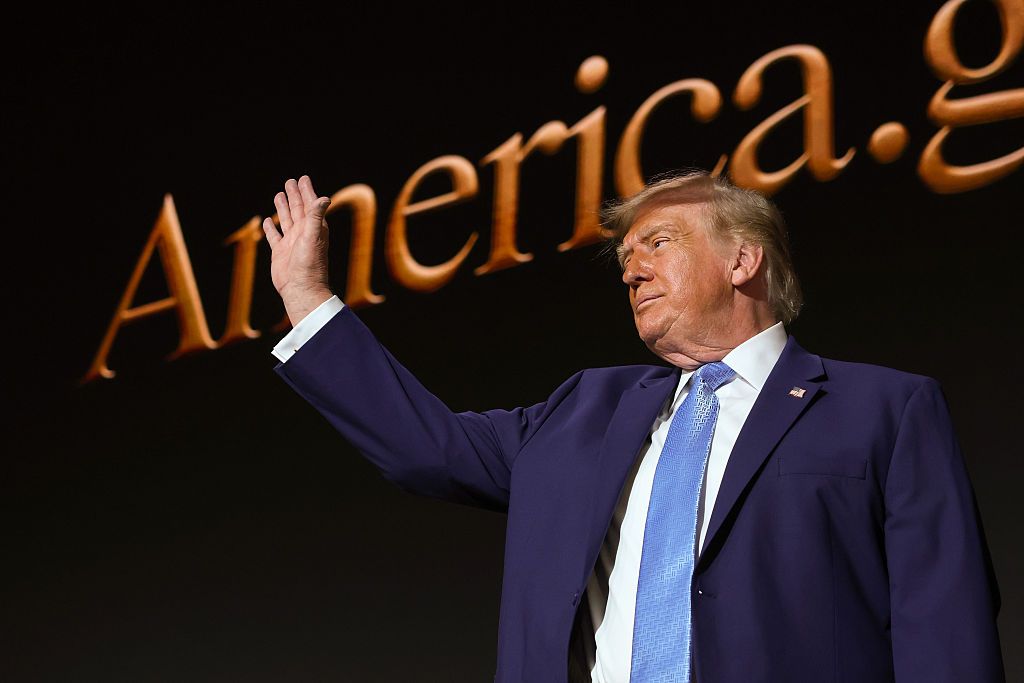
Elon Musk’s AI chatbot Grok reportedly advised Donald Trump on foreign policy matters, encouraging actions to capture Venezuelan President Nicolás Maduro.
-

A Council on Foreign Relations analysis characterizes Donald Trump’s AI safety framework as toothless due to a lack of enforcement, while outlining strategies to establish credible, binding governance.